How Does Blepharoplasty Help Create a Younger Eye Appearance?
Summarize the article
Your eyes tell your story. They show your emotions. They reveal your energy. But aging changes your eyes. Your eyelids droop. Bags form under your eyes. Your upper lids hide your lashes. You look tired. You look older. You feel young inside, but your eyes disagree.
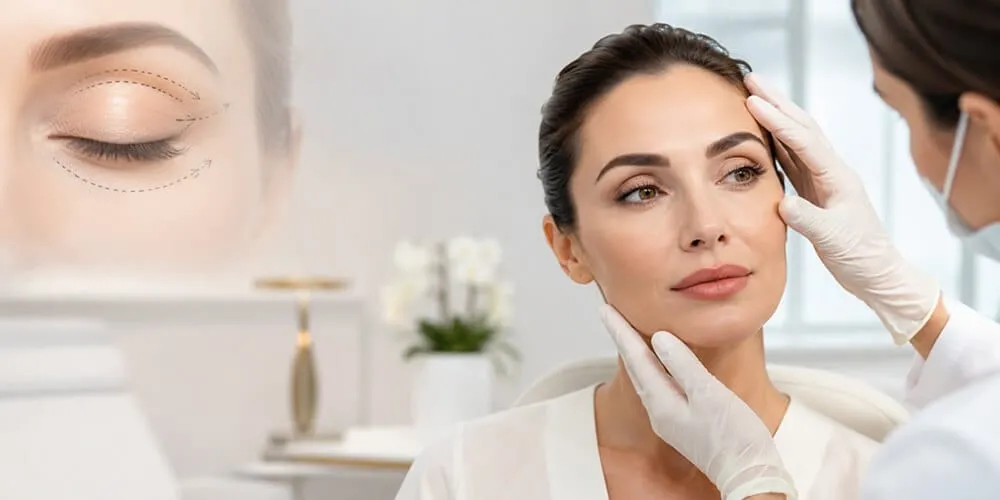
Blepharoplasty for younger eyes fixes these problems. This procedure removes extra skin. It takes out fat pockets. It tightens muscles. It opens your eyes. It gives you a fresh look. It helps you match your outside to your inside.
Many people choose this path. They want younger eye appearance after blepharoplasty. They want to look awake. They want to look refreshed. This guide answers your questions. It explains everything. It uses simple words. It keeps sentences short. It helps you understand blepharoplasty benefits fully.
What Is Blepharoplasty and How Does It Work?
Blepharoplasty for younger eyes is a cosmetic surgery. Doctors call it an eye lift surgery. It reshapes your eyelids. It removes loose skin. It repositions fat. It tightens weak muscles. It creates smoother eyelid contours.
Surgeons perform this procedure on your upper lids, lower lids, or both. They make small cuts. They hide these cuts in natural folds. They remove extra tissue. They close the cuts with tiny stitches. The scars hide well. Most people barely see them later.
Why Do Eyes Age Faster Than Other Facial Features?
Your eyes move constantly. You blink thousands of times daily. You squint in sunlight. You laugh. You cry. All this movement wears out your skin. The skin around your eyes is thin. It has little fat underneath. It has little collagen support. It wrinkles faster. It sags sooner.
Gravity pulls everything down. Your forehead skin slides toward your brows. Your brow skin pushes onto your upper lids. Fat escapes from behind your eye socket. It forms puffy bags. These changes start early. Some people notice them in their thirties. Others see big changes in their forties or fifties.
Sun damage speeds up aging. UV rays break down collagen. They destroy elastin. Smoking hurts too. It reduces blood flow. It steals oxygen from your skin. Poor sleep makes things worse. So does stress. Genetics play a huge role. Your parents passed down their eyelid traits. You might inherit heavy lids. You might inherit bag-prone lower eyes.
What Happens During an Eye Lift Surgery?
Surgeons start with marks. They draw lines on your lids. They plan their cuts. They give you anesthesia. Most patients choose local anesthesia with sedation. Some choose general anesthesia. Your doctor helps you decide.
For upper eyelid surgery, the surgeon cuts along your natural crease. He removes extra skin. He removes or repositions fat pads. He tightens the muscle that lifts your lid. He closes the cut with fine sutures. The scar hides in your new eyelid fold.
For lower eyelid surgery, the surgeon makes a cut just below your lashes. He removes fat pockets. He removes extra skin. He tightens the lid support. Sometimes he uses an internal cut. He goes through the pink lining inside your lid. This leaves no visible scar on your skin.
The whole procedure takes one to three hours. It depends on what you need. Simple upper eyelid surgery takes less time. Combined upper and lower eyelid surgery takes longer.
How Does Upper Eyelid Surgery Transform Your Look?
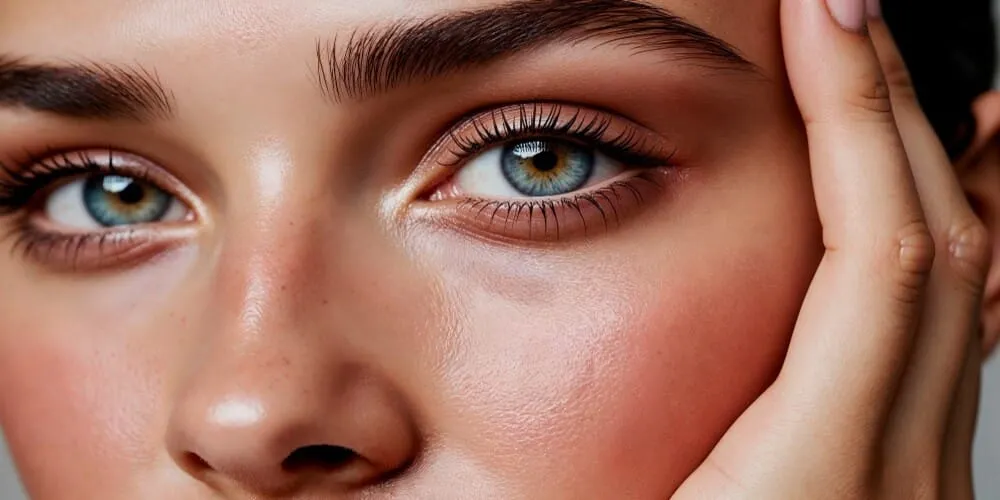
Upper eyelid surgery changes your face dramatically. Heavy upper lids make you look sleepy. They block your vision. They press down on your lashes. They create deep creases. They cast shadows. Upper eyelid surgery lifts this weight. It opens your eyes. It shows more of your iris. It makes you look alert.
What Problems Does Upper Eyelid Surgery Fix?
Sagging skin tops the list. Your skin loses elasticity. It hangs over your lash line. It might even touch your lashes. Upper eyelid surgery trims this skin away. It defines your crease. It restores your natural lid architecture.
Puffiness also bothers patients. Fat herniates through weak membranes. It creates bulges. These bulges look worse in the morning. They look worse after salty meals. Surgeons remove or reposition this fat. They create flat, smooth lids.
Asymmetry troubles many people. One lid droops more than the other. One crease is deeper. Surgeons balance your lids. They create matching contours. They improve your facial harmony.
Vision obstruction matters too. Some patients fail vision tests because of lid overhang. Insurance might cover upper eyelid surgery in these cases. The surgery removes the blockage. It expands your visual field. It makes driving safer. It makes reading easier.
How Long Do Upper Eyelid Results Last?
Blepharoplasty results from upper eyelid surgery last a long time. Most patients enjoy their new look for ten to fifteen years. Some enjoy permanent changes. Your eyes continue aging, but slowly. Your skin still loses elasticity. Gravity still pulls. But you never return to your starting point. You always look better than if you skipped the surgery.
Good habits extend your results. Wear sunglasses. Apply sunscreen. Sleep well. Eat clean. Avoid smoking. These choices protect your investment. They keep your younger eye appearance after blepharoplasty looking fresh.
Why Do Patients Choose Lower Eyelid Surgery?
Lower eyelid surgery targets your under-eye area. This area shows age early. It shows fatigue instantly. It develops bags. It develops hollows. It develops wrinkles. It develops dark circles. Lower eyelid surgery addresses all these issues.
What Causes Under-Eye Bags and Puffiness?
Three fat pads live behind your lower eyelid. They cushion your eyeball. They help your eye move smoothly. Weak membranes hold these pads in place. Aging weakens these membranes. The fat pushes forward. It creates bags.
Fluid buildup worsens the look. Your lymphatic system slows down. Fluid collects under your eyes. Salty food makes it worse. Allergies make it worse. Poor sleep makes it worse. You wake up puffy. You look exhausted.
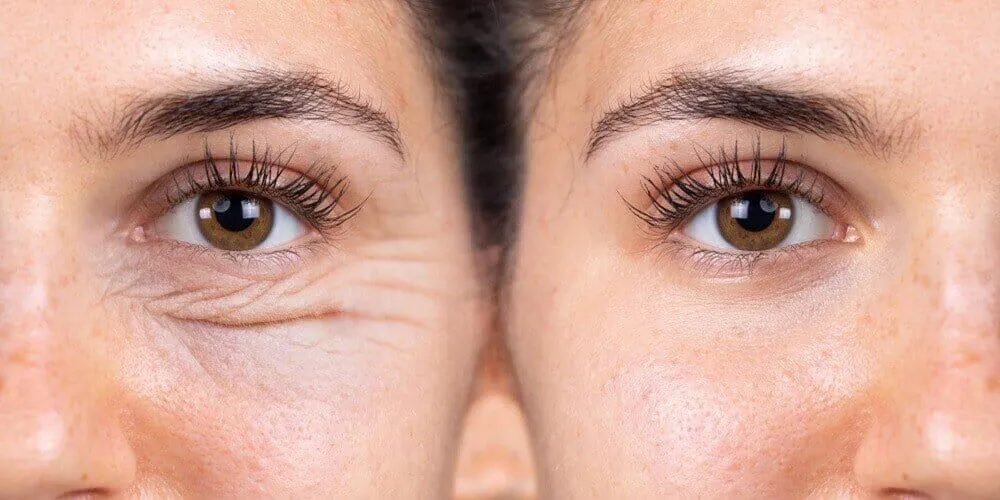
Skin thinning exposes the blue blood vessels underneath. This creates dark circles. It creates a tired, bruised look. Collagen loss makes skin wrinkle. It creates crepe-like texture.
How Does Lower Eyelid Surgery Remove Dark Circles?
Surgeons approach dark circles strategically. They remove protruding fat. This eliminates shadows. Shadows make dark circles look worse. When the puffiness flattens, light reflects evenly. Your under-eye area brightens.
Some patients need fat grafting. Surgeons take fat from your belly or thighs. They inject it into hollow areas. They fill the tear trough. This smooths the transition from your lower lid to your cheek. It eliminates the sunken look. It reduces the contrast that creates darkness.
Surgeons also tighten skin. They remove extra skin. They smooth wrinkles. They improve texture. They might suggest laser resurfacing. They might suggest chemical peels. These treatments boost collagen. They thicken thin skin. They hide vessels underneath.
What Are the Real Blepharoplasty Benefits?
Blepharoplasty benefits go beyond looks. Yes, you look younger. Yes, you look rested. But the advantages run deeper. They touch your daily life. They touch your mental health. They touch your physical comfort.
How Does Eyelid Surgery for Tired Eyes Boost Confidence?
You look in the mirror. You see a tired stranger. This hurts your self-esteem. You avoid photos. You avoid video calls. You feel invisible. Eyelid surgery for tired eyes changes this narrative. You recognize yourself again. You see energy. You see vitality.
Friends notice the change. They say you look well-rested. They ask if you changed your hair. They sense the freshness. They cannot pinpoint the exact change. This is the hallmark of good surgery. It looks natural. It looks like you, only better.
Your confidence grows. You speak up in meetings. You post selfies. You make eye contact. You feel proud of your reflection. This emotional lift counts as one of the biggest blepharoplasty benefits. It changes how you move through the world.
Can Anti Aging Eye Surgery Improve Vision?
Anti aging eye surgery often improves sight. Heavy upper lids block your peripheral vision. They create a hood effect. You tilt your head back to see. You raise your brows constantly. This strains your forehead. It causes headaches.
Upper eyelid surgery removes this hood. It expands your visual field. You see better to the sides. You see better above. You stop tilting your head. Your neck relaxes. Your forehead smooths out. You might even need less Botox in your brow.
Some patients no longer qualify as legally blind in certain visual fields. Insurance companies recognize this medical benefit. They sometimes cover upper eyelid surgery when vision tests prove the obstruction.
Who Is the Right Candidate for Blepharoplasty for Younger Eyes?
Not everyone needs blepharoplasty for younger eyes. Not everyone qualifies. Good candidates share certain traits. They have realistic expectations. They understand the process. They accept the recovery.
What Age Should You Consider an Eye Lift Surgery?
Age varies widely. Some patients seek eye lift surgery in their mid-thirties. They notice early genetic bags. Others wait until their sixties. They accept aging until it bothers them daily.
There is no perfect age. The right time arrives when you look in the mirror and feel frustrated. It arrives when creams fail. It arrives when makeup cannot hide the bags anymore. It arrives when you feel your outside does not match your inside.
Younger patients heal faster. Their skin has more elasticity. Older patients can still achieve excellent blepharoplasty results. They just might need a longer recovery. They might need additional procedures. A brow lift pairs well with upper eyelid surgery in older patients. A facelift pairs well with lower eyelid surgery.
How Do Doctors Evaluate Your Eyelids?
Your surgeon examines your eyes closely. He checks your lid position. He checks your lid laxity. He pulls your lid gently. He sees how quickly it snaps back. Loose lids need tightening. Tight lids need careful handling.
He checks your fat pads. He presses gently. He sees where the bulges sit. He checks your skin quality. He checks your wrinkles. He checks your tear trough depth. He takes photos. He measures your visual fields if needed.
He reviews your health history. He asks about thyroid problems. He asks about dry eye. He asks about previous eye surgeries. He asks about medications. Blood thinners cause bleeding. He helps you adjust these before surgery.
What Happens During the Blepharoplasty Procedure?
Knowing the steps reduces fear. It prepares you. It helps you relax. Blepharoplasty for younger eyes follows a clear sequence. Your surgical team guides you through each phase.
How Long Does the Surgery Take?
Simple upper eyelid surgery takes about forty-five minutes. Lower eyelid surgery takes about ninety minutes. Combined procedures take two to three hours. Revision surgeries take longer. Fat grafting adds time.
You arrive at the surgical center. The staff checks you in. The nurse starts your IV. The anesthesiologist reviews your history. The surgeon marks your lids again. You confirm the plan. You sign the final forms.
The team cleans your face. They drape your head. They leave only your eyes exposed. You receive anesthesia. You drift off or relax deeply. The surgeon works carefully. He respects your anatomy. He preserves your natural look.
What Type of Anesthesia Do Surgeons Use?
Most eye lift surgery patients choose local anesthesia with IV sedation. You feel no pain. You breathe on your own. You sleep lightly. You wake up quickly. You recover faster. You avoid the grogginess of general anesthesia.
Some patients prefer general anesthesia. They want to be completely asleep. This works well for anxious patients. It works well for long procedures. Your anesthesiologist monitors you constantly. He ensures your safety. He manages your comfort.
After surgery, you rest in recovery. The nurse applies cold compresses. She checks your vision. She checks your pain level. She gives you instructions. She sends you home with a helper. You cannot drive yourself.
How Long Is the Recovery After Eyelid Surgery?
Recovery scares many patients. They worry about pain. They worry about downtime. They worry about looking strange. The truth surprises them. Recovery from blepharoplasty for younger eyes is easier than most expect.
What Can You Expect During the First Week?
Day one brings swelling. Your lids puff up. This peaks around forty-eight hours. Cold compresses help. Keep your head elevated. Sleep on extra pillows. Avoid bending over. Avoid straining. The swelling starts dropping after day three.
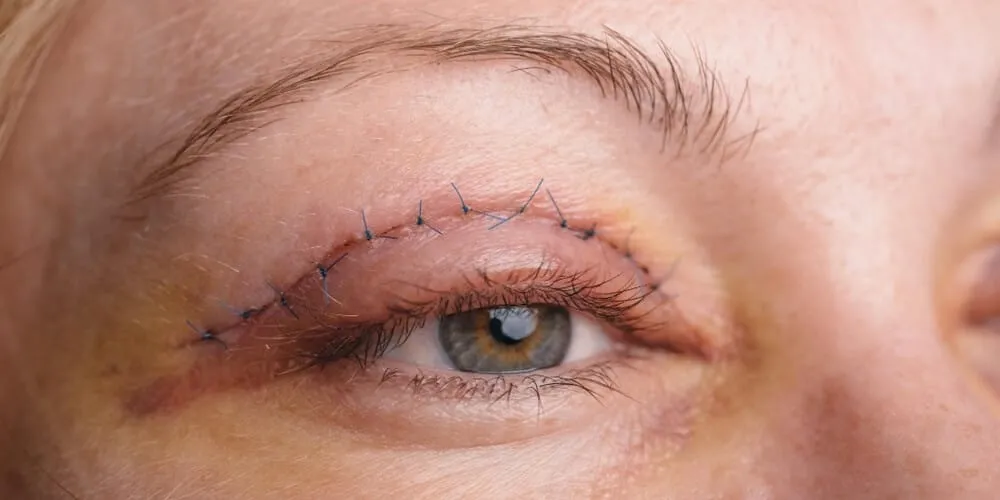
Bruising appears. It looks purple, red, or yellow. It spreads to your cheeks. It might circle your eyes like a raccoon. Do not panic. This is normal. It fades within two weeks. Arnica cream helps. Pineapple juice helps. Time helps most.
Your eyes feel tight. They feel dry. Artificial tears soothe them. Your surgeon prescribes drops. He prescribes ointment. He prescribes pain pills. Most patients need only Tylenol after day two. The discomfort is mild. It feels like soreness, not sharp pain.
Stitches come out around day five to seven. Upper eyelid surgery stitches come out first. Lower eyelid surgery stitches might stay longer if placed externally. Internal lower lid stitches dissolve on their own.
You can read after a few days. You can watch TV. You can walk gently. Avoid heavy lifting for two weeks. Avoid strenuous exercise for three weeks. Avoid swimming for four weeks. Your surgeon gives you a specific timeline.
When Will You See Younger Eye Appearance After Blepharoplasty?
You see changes immediately. Even with swelling, your lids look lighter. They look more open. But the real younger eye appearance after blepharoplasty emerges gradually.
Week two shows major improvement. Swelling drops significantly. Bruising fades. You feel comfortable in public. You might still wear sunglasses. You might still use cover-up makeup.
Month one brings clarity. Your contours refine. Your scars fade. You see the shape your surgeon created. You look rested. You look refreshed.
Month three delivers the full picture. All swelling resolves. Scars mature and flatten. Your blepharoplasty results settle completely. You see the final younger eye appearance after blepharoplasty. You love the mirror again.
What Blepharoplasty Results Can You Realistically Expect?
Realistic expectations separate happy patients from disappointed ones. Blepharoplasty results are powerful. But they have limits. Surgery cannot stop aging. It cannot change your bone structure. It cannot give you someone else’s eyes.
How Long Do Blepharoplasty Results Last?
Blepharoplasty results last many years. Upper eyelid surgery often lasts a lifetime. The skin removed does not grow back. Your remaining skin still ages. But it ages from a better starting point.
Lower eyelid surgery also lasts long-term. Fat removal is permanent. The fat cells do not regenerate. However, your skin continues thinning. Your cheeks continue losing volume. This might expose new hollows over time. Some patients choose touch-up fillers years later.
Your lifestyle affects longevity. Sun protection matters most. UV rays destroy collagen. They darken scars. They thin skin faster. Wear SPF daily. Wear hats. Wear quality sunglasses.
Sleep habits matter too. You need seven to nine hours nightly. Your skin repairs itself while you sleep. Poor sleep accelerates aging. It brings back puffiness. It deepens wrinkles.
Nutrition supports your blepharoplasty results. Eat protein. Eat vegetables. Eat foods rich in vitamin C. Drink water. Avoid excess salt. Avoid excess alcohol. These habits keep your eyes bright.
Will You Still Look Natural After the Procedure?
Natural results should be your goal. Good surgeons understand this. They remove just enough tissue. They leave enough fat. They preserve your expressions. They avoid the hollow, operated look.
You still look like you. You just look like you from ten years ago. Friends notice you look good. They do not suspect surgery. This is the art of anti aging eye surgery. It enhances without announcing itself.
Over-correction looks bad. It creates round, surprised eyes. It creates hollow lower lids. It exposes too much white below the iris. Choose a conservative surgeon. Choose someone who values subtlety. Look at their before-and-after photos. Do the patients look like themselves? Do they look refreshed? Trust your gut.
How Much Does Anti Aging Eye Surgery Cost?
Price matters. You should know the numbers. You should understand what drives them. Anti aging eye surgery varies in cost. Geography plays a role. Surgeon experience plays a role. Procedure complexity plays a role.
What Factors Affect the Price of Eye Lift Surgery?
Location sets the base price. Big cities charge more. Rent costs more. Staff salaries run higher. Surgeons in Manhattan or London charge premium rates. Surgeons in smaller markets might charge less. But do not bargain hunt. Your eyes deserve expertise.
Surgeon fees reflect training. Board-certified plastic surgeons charge more. Oculoplastic surgeons charge more. They have extra eye-specific training. They handle complex cases better. They manage complications better. Their fees buy you safety.
Facility fees add up. Accredited surgical centers cost more than back-room clinics. Anesthesia fees vary. General anesthesia costs more than local sedation. Combined procedures cost more than single-lid surgery.
Upper eyelid surgery typically costs less than lower eyelid surgery. Lower lid work is more complex. It involves more structures. It requires more precision. Combined procedures offer some savings over separate surgeries. You pay for anesthesia once. You pay for facility once.
In the United States, upper eyelid surgery ranges from three thousand to five thousand dollars. Lower eyelid surgery ranges from four thousand to seven thousand dollars. Combined procedures range from six thousand to ten thousand dollars. Prices vary worldwide. Medical tourism offers lower prices. Turkey, Mexico, and Thailand attract international patients. Research these options carefully. Verify credentials. Verify accreditation.
Does Insurance Cover Eyelid Surgery for Tired Eyes?
Sometimes. Eyelid surgery for tired eyes crosses into medical territory when vision suffers. Your lids must block your visual field. Your doctor documents this. He orders visual field tests. He takes photos. He submits reports.
Insurance companies review the evidence. They measure the obstruction. They check if you fail standard criteria. If approved, they cover upper eyelid surgery. They rarely cover lower eyelid surgery. Lower lid work is almost always cosmetic.
Even with insurance, you pay deductibles. You pay co-pays. You pay surgeon fees above the insurance allowance. Ask your provider for specifics. Ask your surgeon’s office for help. They deal with insurance daily. They know the codes. They know the requirements.
All surgeries carry risks. Blepharoplasty for younger eyes is no exception. But complications are rare. Serious problems happen in less than five percent of cases. Knowing the risks helps you prevent them.
Is Blepharoplasty Safe?
Yes. Blepharoplasty benefits come with a strong safety record. Surgeons have performed this procedure for decades. Techniques improved over time. Modern methods minimize trauma. They minimize bleeding. They minimize scarring.
Common side effects include bruising. They include swelling. They include dry eyes. They include temporary blurred vision. They include light sensitivity. These issues resolve within weeks.
Rare complications include infection. They include bleeding. They include visible scarring. They include asymmetry. They include difficulty closing your eyes. They include ectropion. Ectropion means your lower lid pulls down. It exposes the white of your eye. It causes irritation. It requires revision surgery.
Blindness is extremely rare. It happens when bleeding behind the eye builds pressure. This pressure damages the optic nerve. Surgeons prevent this with careful technique. They control bleeding. They avoid deep fat manipulation. They monitor you after surgery.
How Do You Minimize Complications?
Choose your surgeon wisely. This is the most important step. Pick a board-certified specialist. Pick someone who performs eye lift surgery weekly, not yearly. Pick someone with hospital privileges. Pick someone with a clean record.
Follow pre-op instructions. Stop blood thinners if your doctor approves. Stop herbal supplements. Stop smoking. Smoking cripples healing. It increases infection risk. It worsens scarring.
Follow post-op instructions religiously. Use your eye drops. Apply your ointment. Keep your head elevated. Avoid rubbing your eyes. Wear your protective shields at night. Attend all follow-up appointments. Call your surgeon if something feels wrong.
How Do You Choose the Right Surgeon?
Your surgeon determines your outcome. He holds your safety. He holds your aesthetics. Do not rush this choice. Research thoroughly. Trust your instincts.
What Credentials Should Your Doctor Have?
Look for board certification. In the United States, choose a doctor certified by the American Board of Plastic Surgery or the American Board of Ophthalmology with oculoplastic fellowship training. In the United Kingdom, look for GMC specialist registration in plastic surgery or ophthalmology. Other countries have similar boards.
Check hospital privileges. Surgeons with privileges undergo peer review. Hospitals verify their training. They verify their safety record. They verify their malpractice history.
Review experience. Ask how many blepharoplasty for younger eyes procedures he performs yearly. Ask about his complication rate. Ask about his revision rate. Good surgeons share these numbers openly.
Examine photos. Look at before-and-after galleries. Look for patients with similar issues. Look for natural blepharoplasty results. Avoid surgeons who show only glamorous models. You want to see real patients. You want to see variety.
What Questions Should You Ask During Consultation?
Ask about his approach. Does he recommend upper eyelid surgery alone? Does he suggest adding lower eyelid surgery? Does he mention a brow lift? Does he mention fat grafting? A thorough surgeon considers your whole face.
Ask about the surgical plan. Where will he place the cuts? How much skin will he remove? Will he remove fat or reposition it? What type of anesthesia does he suggest? How long will the surgery take?
Ask about recovery. When can you return to work? When can you exercise? When will stitches come out? When will you see your final younger eye appearance after blepharoplasty?
Ask about costs. What does the fee include? Does it cover facility charges? Does it cover anesthesia? Does it cover follow-up visits? Does it cover touch-ups if needed?
Ask about his policy on revisions. No surgeon is perfect. Sometimes blepharoplasty results need refinement. What happens if you are unhappy? What happens if complications arise? Who pays for revision surgery?

Is Blepharoplasty Worth It for Younger Eyes?
Only you can answer this. But thousands of patients say yes. They love their blepharoplasty benefits. They love looking awake. They love looking vibrant. They love matching their appearance to their energy.
Blepharoplasty for younger eyes offers real change. It removes the hoods that hide your gaze. It flattens the bags that age your face. It smooths the wrinkles that betray your years. It opens your eyes literally and figuratively.
Eyelid surgery for tired eyes works. It delivers predictable blepharoplasty results. It carries manageable risks. It requires reasonable downtime. It rewards you with years of confidence.
Consider your goals. Consider your health. Consider your budget. Schedule consultations. Meet multiple surgeons. Gather information. Take your time.
Your eyes deserve attention. They deserve care. They deserve to reflect the real you. Anti aging eye surgery helps them do exactly that. It helps you face the world with openness. It helps you look as young as you feel.
Make your decision from a place of knowledge. Make it from a place of confidence. The mirror awaits your refreshed gaze. Your new chapter starts with a single consultation. Book it today. See the possibilities. Embrace the younger eye appearance after blepharoplasty that waits for you.